Final Presentation of Social Issue

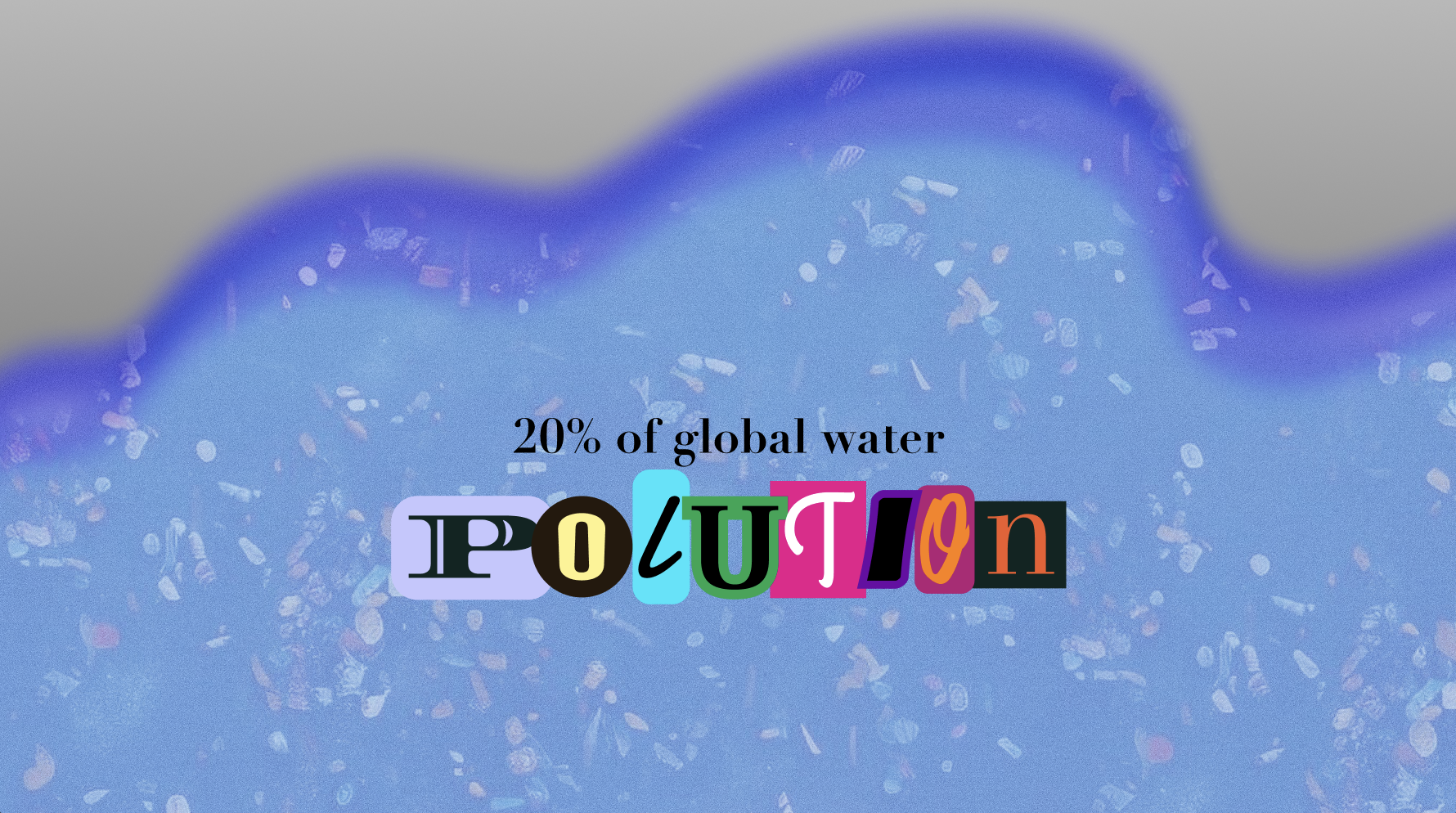
This was my final presentation, where I introduced my chosen social issue to the professors. Initially, I explored the environmental impact of fast fashion as a broad topic, but I realized it needed to be more focused. I narrowed my direction to examine how fast fashion contributes specifically to water pollution, particularly through microplastics. Although these particles are largely invisible, they have a significant and harmful impact on our oceans.

I also refined the visual direction from my original presentation, choosing to simplify both my final clock and exhibit design. This shift allowed the concept to come across more clearly and made the overall message more direct and impactful.

Screenshot 2026-04-04 at 5.01.56 PM

Slide One

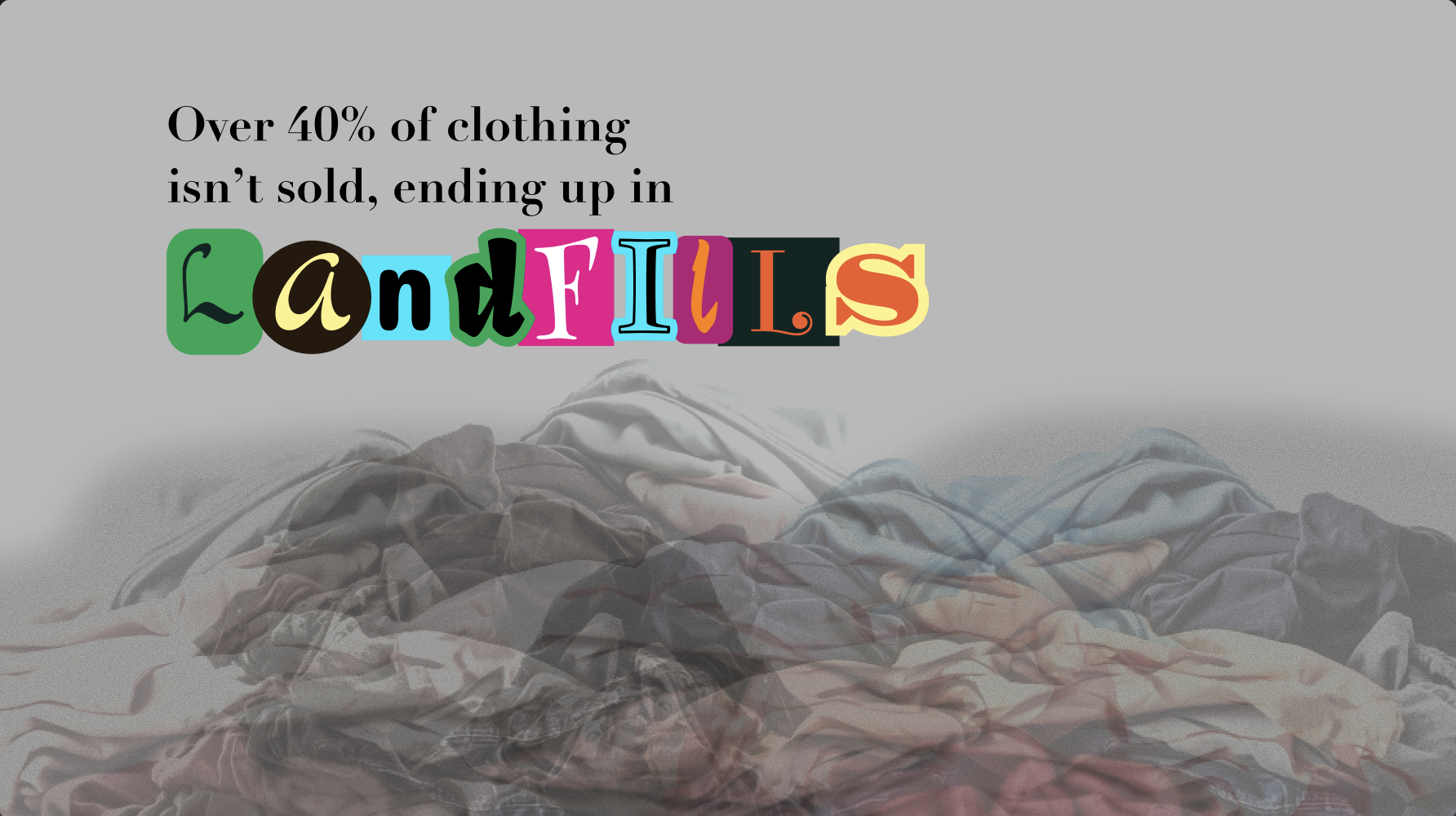
Fast fashion, which involves the rapid mass production of inexpensive, trend-driven clothing, has significant environmental impacts and contributes to global warming. Retailers continuously flood stores with new styles that replicate runway trends, encouraging overconsumption. Because of this quick turnaround, many garments are quickly discarded, leading to large amounts of clothing ending up in landfills and polluting our oceans.
Screenshot 2026-04-04 at 5.05.31 PM

Slide Two

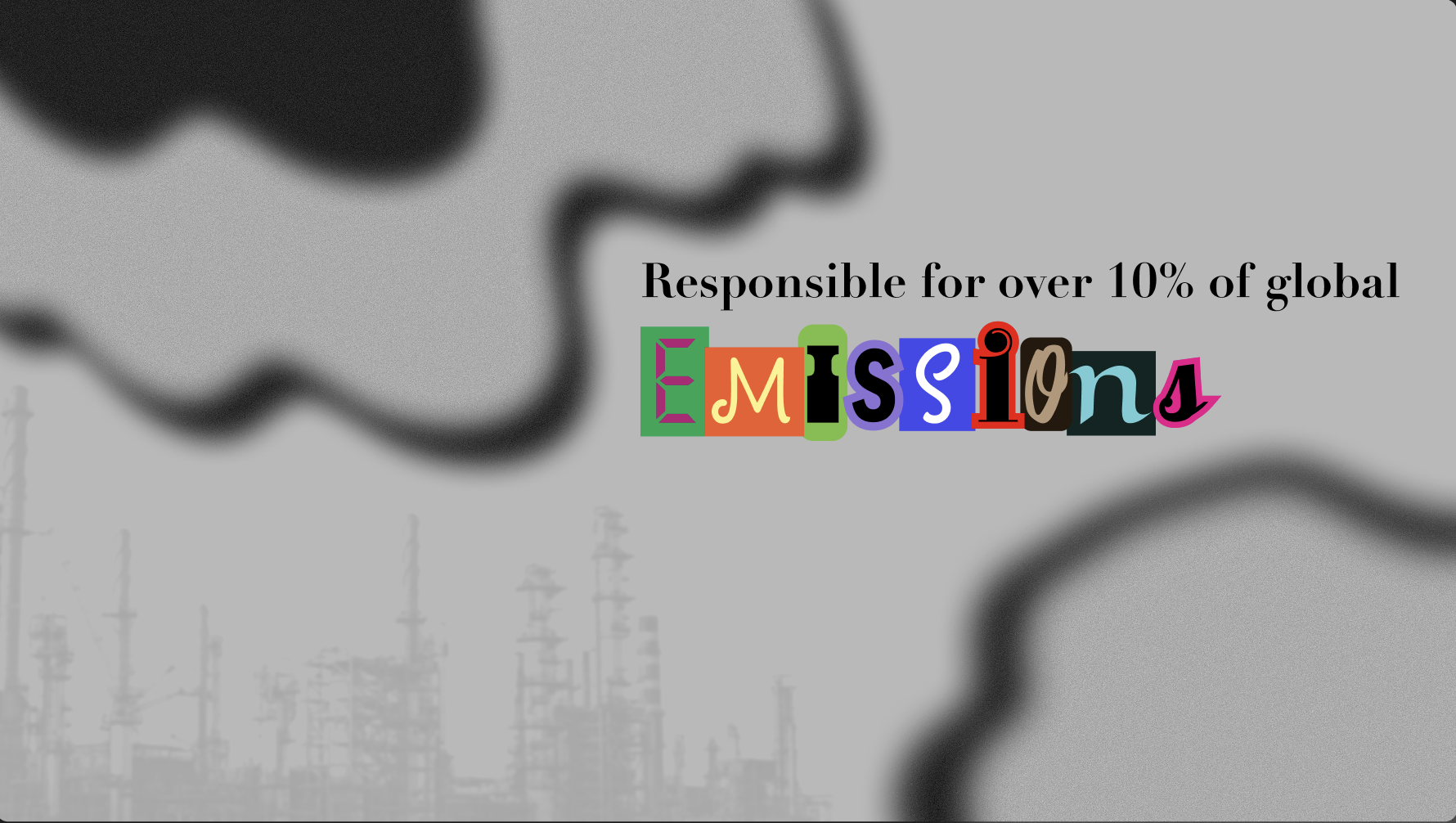
The environmental impact of fast fashion is substantial, with its emissions rivaling the roughly 5% contributed by international travel and maritime transport combined. Every stage of the production process releases harmful emissions, from material sourcing to manufacturing and distribution. According to an article from Earth.org, these emissions are expected to rise by 50% by 2030. Additionally, many cheap fabrics are made from non-renewable fossil fuels, producing up to three times more carbon emissions than higher-quality, more sustainable materials.
Screenshot 2026-04-04 at 5.06.17 PM

Slide Three

The fast fashion industry also has a significant impact on water systems and marine life. A single load of laundry from an average household can release up to 700,000 microplastic fibers into the oceans, contributing to pollution and harming wildlife. During manufacturing, toxic chemicals and dyes often contaminate nearby rivers, further damaging ecosystems. As the second-largest consumer of water after agriculture, the industry also depletes local water sources at an alarming rate, putting additional strain on already limited resources.
Screenshot 2026-04-04 at 5.08.20 PM

Slide Four

Fast fashion also contributes heavily to long-term waste issues. Many garments, especially those made from synthetic materials, can take up to 200 years to decompose—if they break down at all. As production continues to accelerate, landfills are filling at an unsustainable rate, with limited space available for future waste. These synthetic fabrics are used to support the industry’s rapid turnaround, but their durability in the environment makes them a major contributor to ongoing pollution.
Screenshot 2026-04-04 at 5.14.20 PM

Slide Five

The scale of textile waste continues to grow at an alarming rate. Globally, only about 1% of clothing is recycled, while fashion brands are producing twice as many garments as they did in 2000—far outpacing consumer demand. As a result, massive amounts of clothing end up in landfills, where they can leach toxic chemicals into the environment. In the United States alone, approximately 11.3 million tons of textile waste are currently sitting in landfills, highlighting the severity of the issue.